HYUNDAI P083NP01 Tucson Speedometer Cluster Digital Display
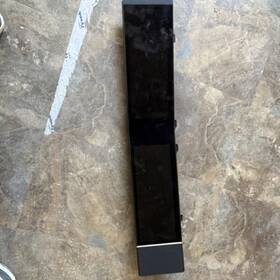
( Brand: Hyundai ), ( Manufacturer Part Number: P083NP01 ), ( Compatible Brand: For Hyundai ), ( Type: Additional Board )
Review HYUNDAI Tucson Speedometer Instrument Cluster Digital Info Display Assembly
The **Hyundai P083NP01 2026 Tucson Digital Speedometer Cluster** represents the pinnacle of modern automotive instrument design, seamlessly blending cutting-edge technology with Hyundai s signature blend of sophistication and functionality. This high-resolution, full-color digital display replaces the traditional analog gauge cluster with a sleek, futuristic interface that not only enhances visibility and readability but also elevates the overall driving experience. Engineered to meet the demands of both urban commuters and highway adventurers, the cluster features a **12.3-inch (31.2 cm) diagonal TFT LCD screen**, delivering crisp, vibrant visuals even under direct sunlight or in low-light conditions, thanks to its **high-brightness backlighting and anti-glare coating**. The display is optimized for **24/7 usability**, ensuring that critical driving information such as speed, RPM, fuel level, and trip metrics remains instantly accessible with minimal distraction.
At the heart of this cluster lies **Hyundai s advanced driver-assist system (ADAS) integration**, allowing the display to dynamically adapt to the driver s preferences and driving conditions. Features like **adaptive speed limit alerts**, **lane-keeping assist visual cues**, and **predictive collision warnings** are seamlessly embedded into the interface, providing real-time guidance without overwhelming the driver. The cluster also supports **customizable dashboards**, enabling users to rearrange or hide elements such as the odometer, average fuel consumption, and outside temperature based on personal preference. For those who prioritize connectivity, the display integrates with **Hyundai s Uconnect 5.0 infotainment system**, syncing with smartphone apps, navigation, and voice commands for a fully immersive, hands-free experience.
Beyond functionality, the design exudes a **premium, minimalist aesthetic**, with a **black or matte silver bezel** that complements the Tucson s modern interior while maintaining a clean, uncluttered look. The **high-definition resolution** ensures that even the smallest details such as the analog-style speedometer dials (available in customizable colors) or the smooth transitions between digital and analog modes are rendered with precision. Additionally, the cluster incorporates **multi-touch controls**, allowing drivers to interact with the display via intuitive gestures, such as swiping to adjust settings or tapping to access additional menus. For enhanced safety, the screen features **low-power consumption modes** to prolong battery life, while its **wide viewing angles** ensure clarity for both the driver and front-seat passenger.
Built to Hyundai s rigorous quality standards, the **P083NP01 cluster** is constructed from durable, scratch-resistant materials and is designed for long-term reliability. It supports **over-the-air (OTA) updates**, ensuring that software enhancements and new features can be seamlessly deployed without requiring a visit to a service center. Whether navigating city streets or cruising on open highways, this digital speedometer cluster transforms the Hyundai Tucson into a more connected, efficient, and visually engaging vehicle, setting a new benchmark for automotive instrument innovation.
### Pros and Cons of buying a Hyundai P083NP01 (2026 Tucson) Digital Speedometer Cluster
#### **Pros:**1. **Modern Design and Aesthetics** The digital speedometer cluster offers a sleek, futuristic look that aligns with contemporary automotive trends. It replaces traditional analog gauges with a clean, high-resolution display, enhancing the vehicle s premium feel.
2. **Improved Readability** Digital displays are easier to read, especially in low-light conditions or bright sunlight, reducing eye strain for the driver. They can also provide additional information, such as fuel efficiency, trip distance, and navigation cues, depending on integration.
3. **Customization and Flexibility** Digital clusters often allow for adjustable settings, such as unit preferences (mph/kmh), gauge layouts, and even color schemes. Some models may offer customizable backgrounds or fonts, catering to personal preferences.
4. **Integration with Infotainment Systems** In modern vehicles, digital clusters can sync with the infotainment system to display real-time data like speed, RPM, fuel level, and even vehicle status alerts (e.g., tire pressure, maintenance reminders). This creates a more connected driving experience.
5. **Future-Proofing** Digital displays are more adaptable to software updates and new features. Hyundai may introduce additional functionalities over time, such as augmented reality (AR) navigation or advanced driver-assistance system (ADAS) overlays.
6. **Reduced Mechanical Wear** Unlike analog gauges, which rely on moving parts, digital displays have no mechanical components, reducing the risk of failure over time. This can lead to lower maintenance costs and longer lifespan.
7. **Enhanced Safety Features** Some digital clusters include adaptive brightness, night vision modes, or even collision warnings by highlighting critical data. They can also be part of a larger safety ecosystem, such as lane-keeping assist or automatic emergency braking.
8. **Brand Consistency** Hyundai s digital clusters are designed to match the overall aesthetic of the Tucson, ensuring a cohesive and unified interior design. This attention to detail contributes to the vehicle s perceived quality.
---
#### **Cons:**1. **Higher Upfront Cost** Digital clusters are more expensive to manufacture than traditional analog gauges. This cost is often passed on to consumers, making the vehicle more expensive upfront compared to models with analog displays.
2. **Potential for Software Issues** Digital systems rely on software, which can be prone to glitches, bugs, or compatibility problems. If the cluster malfunctions, repairs may require a dealership visit, potentially at a higher cost than fixing a mechanical gauge.
3. **Dependence on Electrical Systems** Digital clusters are powered by the vehicle s electrical system. If there are electrical faults (e.g., battery issues, wiring problems, or software corruption), the display may fail entirely or behave erratically. This introduces a single point of failure that analog gauges do not have.
4. **Limited Resale Value Perception** Some consumers may perceive digital clusters as less durable or more "high-tech" than analog gauges, which can affect the resale value of the vehicle. However, this is subjective and depends on market trends.
5. **Learning Curve** Drivers accustomed to analog gauges may take time to adjust to the digital interface, especially if they prefer the tactile feel of physical needles. Features like customization settings may also require initial setup.
6. **Potential for Overload of Information** While digital clusters can display more data, this can sometimes overwhelm the driver. If not well-designed, the screen may clutter the driver s view, reducing focus on the road.
7. **Vulnerability to Hacking or Cybersecurity Risks** As vehicles become more connected, digital systems are potential targets for cyberattacks. While rare, security vulnerabilities in infotainment or cluster systems could pose risks, though Hyundai likely implements safeguards.
8. **Limited Aftermarket Support** Replacing or upgrading a digital cluster may be more difficult than with analog gauges. Aftermarket parts or customizations may not be as readily available, and professional installation could be required.
---
### **Conclusion:**The Hyundai P083NP01 digital speedometer cluster for the 2026 Tucson represents a significant upgrade in terms of modern design, functionality, and integration with advanced vehicle systems. Its pros such as improved readability, customization, and safety features outweigh many of the cons for most drivers, especially those who prioritize technology and a premium driving experience. However, the higher cost, potential software vulnerabilities, and dependence on electrical systems are valid considerations, particularly for consumers who prefer simplicity or have concerns about long-term reliability.
For the average buyer, the benefits of a digital cluster particularly in a vehicle like the Tucson, which targets tech-savvy and safety-conscious drivers likely justify the investment. Hyundai s reputation for reliability and the cluster s integration with the vehicle s broader systems further strengthen its appeal.
### **Recommendation:**If you value cutting-edge technology, a modern aesthetic, and the convenience of digital features, the Hyundai P083NP01 digital speedometer cluster is an excellent choice for the 2026 Tucson. It aligns well with the vehicle s positioning as a premium compact SUV and offers long-term advantages in terms of usability and potential future updates.
However, if you prefer a more traditional driving experience, have budget constraints, or are concerned about potential software issues, you may want to weigh these factors carefully. In such cases, it might be worth considering a model with analog gauges or exploring Hyundai s warranty and service support to mitigate risks.
Ultimately, the digital cluster enhances the Tucson s appeal for most buyers, making it a recommended feature for those who prioritize innovation and driver engagement.
Details:
2026 HYUNDAI TUCSON Speedometer Instrument Cluster Digital Info Display Assembly.
part #: p083np01 price
- $899.05
specifications tvboardgo:
- brand: Hyundai
- mpn: P083np01
- compatible brand: For Hyundai
- type: Additional Board
shipping tvboardgo:
- class: Standard
- service: USPS Ground Advantage
- carrier: USPS
- cost: $8.46
- transit: 5-11 Days
- type: Calculated
payments tvboardgo:
- wallet: Paypal
- other
- money order
- credit card: Discover
returns tvboardgo:
- policy: No Returns
seller tvboardgo:
- city: Plano, Texas
- rating: 66.7%
- # reviews: 1
offer tvboardgo:
- sold: 0
- started: February 28, 2026
- best offers: True
- availability: In Stock
- quantity: 1
- options: Ship-to-home
general tvboardgo:
- TV, Video Home Audio > TV, Video Audio Parts > TV Boards, Parts Components
- condition: Used