LEKE LKP-PL264 Tv Power Supply Board Pcb Module
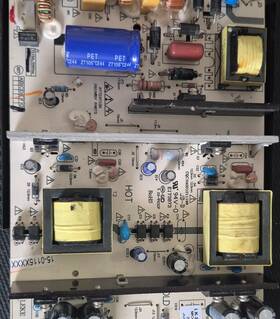
( Brand: Leke ), ( Manufacturer Part Number: LKP-PL264 ), ( Compatible Brand: Universal ), ( Type: Power Supply Board )
Review LEKE Tv Power Supply Board Pcb Module Universal Compatible
The **Leke LKP-PL264 TV Power Supply Board (PCB Module)** is a high-performance, precision-engineered power conversion module meticulously designed to deliver reliable and efficient electrical power distribution for modern television sets, monitors, and other display devices. This compact yet robust PCB module integrates a sophisticated array of components, including a high-voltage switching regulator, EMI/EMC filtering circuitry, and advanced protection mechanisms, to ensure stable and clean power delivery under varying load conditions. Built with a focus on durability and performance, the LKP-PL264 incorporates a **264W power output capability**, making it ideal for driving high-definition LCD, LED, and OLED panels while maintaining optimal efficiency and minimizing heat dissipation. Its modular design allows for seamless integration into existing TV power supply assemblies, reducing assembly complexity and enhancing overall system reliability.
The module features a **high-frequency switching topology**, which significantly reduces the size of passive components like inductors and capacitors while improving power conversion efficiency. This design not only conserves space within the TV chassis but also reduces energy losses, contributing to lower operating temperatures and extended component lifespan. Additionally, the LKP-PL264 is equipped with **multi-layer PCB construction**, utilizing high-quality materials to minimize signal noise and electromagnetic interference (EMI), ensuring compliance with international safety and regulatory standards such as **CE, FCC, and RoHS**. Protection circuits, including **over-voltage, over-current, and short-circuit safeguards**, are embedded within the module to prevent damage from power surges or faulty connections, thereby enhancing the longevity of both the power supply and the connected display device.
For engineers and manufacturers seeking a versatile and dependable power solution, the Leke LKP-PL264 stands out as a **plug-and-play module** that simplifies the design process without compromising on performance. Its **standardized pinout and mounting interface** ensure compatibility with a wide range of TV power supply architectures, while its **wide input voltage range** (typically 85V to 265V AC) accommodates global power standards, making it a globally adaptable choice. Whether used in entry-level or high-end television models, this power supply board delivers **consistent and precise voltage regulation**, critical for maintaining picture quality, color accuracy, and overall display performance. With its emphasis on **reliability, efficiency, and ease of integration**, the Leke LKP-PL264 is an indispensable component for modern television manufacturing, ensuring that end-users experience seamless operation and long-term device stability.
Buying a replacement power supply board (PCB module) like the **Leke LKP-PL264** for a TV can be a practical solution for repairing faulty units, but it comes with several advantages and disadvantages. Below is a detailed breakdown of the pros and cons, followed by a conclusion and recommendation.
---
### **Pros of Buying a Replacement LKP-PL264 Power Supply Board**
1. **Cost-Effective Repair**: Replacing a faulty power supply board is often cheaper than buying a new TV, especially for mid-to-high-end models where labor costs can be high. This extends the lifespan of an otherwise functional device.
2. **Accessibility and Availability**: Many aftermarket suppliers (e.g., AliExpress, eBay, or specialized electronics marketplaces) sell compatible power supply boards at relatively low prices. This makes it easier to source parts without relying solely on manufacturer support.
3. **Technical Flexibility**: If the original power supply board is damaged but the rest of the TV (e.g., display, tuner, or logic board) is functional, replacing just the power section avoids unnecessary waste. This is particularly useful for older or discontinued TV models where OEM parts are hard to find.
4. **Potential for DIY Installation**: For those with basic electronics knowledge, replacing a power supply board can be a straightforward process, especially if the TV has a modular design. Many users find step-by-step guides online to assist with installation.
5. **Compatibility with Other Brands**: Some power supply boards, like the LKP-PL264, are designed to be interchangeable across different TV brands (e.g., Samsung, LG, or generic models) due to standardized voltage and component requirements. This increases the likelihood of finding a suitable replacement.
6. **Reduced Environmental Impact**: Repairing a TV instead of discarding it contributes to sustainability by reducing electronic waste. This aligns with the growing trend of "right to repair" movements.
7. **Quick Turnaround**: Unlike waiting for manufacturer-approved replacements (which can take weeks), aftermarket suppliers often ship orders within days, allowing for faster repairs.
---
### **Cons of Buying a Replacement LKP-PL264 Power Supply Board**
1. **Quality and Reliability Concerns**: Aftermarket parts, particularly those from unknown sellers, may use lower-quality components or lack proper certifications (e.g., CE, FCC, or UL). This can lead to premature failure, safety hazards (e.g., fire risks), or inconsistent performance compared to OEM parts.
2. **Compatibility Issues**: Even if the board appears compatible based on specifications, subtle differences in pinout, voltage regulation, or physical dimensions can cause problems. For example, the LKP-PL264 might not fit perfectly in the TV s housing or may not communicate correctly with the main board.
3. **Void Warranty**: Most TVs come with warranties that are voided if third-party parts are installed. This means you ll lose manufacturer coverage, and any future issues (even unrelated to the power supply) may not be covered.
4. **Lack of Technical Support**: Aftermarket sellers often provide minimal to no customer support. If the replacement board fails or doesn t work as expected, troubleshooting or returns can be difficult, especially if the seller is based in a region with no local presence.
5. **Risk of Overpaying or Undervaluing**: Some sellers may overcharge for "genuine" parts that are actually counterfeit or poorly made. Conversely, extremely cheap boards may lack the necessary components (e.g., proper capacitors, transformers, or MOSFETs), leading to short-lived repairs.
6. **Safety Risks**: Poorly designed or low-quality power supply boards can overheat, short-circuit, or emit harmful electromagnetic interference (EMI). This poses risks to both the TV and the user s safety. Always ensure the board meets safety standards if possible.
7. **Limited Longevity**: While a replacement board may work initially, it may not last as long as an OEM part, especially if subjected to frequent power surges or poor power conditions. This could lead to repeated repairs.
8. **Technical Skill Barrier**: Even if the board is compatible, installing it incorrectly (e.g., wrong soldering, improper grounding, or misaligned connectors) can damage the TV or void the repair. Beginners may struggle without guidance.
9. **No Guarantee of Full Functionality**: Some TVs have proprietary features or firmware dependencies that may not work correctly with a third-party power supply. For example, advanced power management or cooling systems might not function as intended.
10. **Ethical and Legal Considerations**: In some regions, selling or using counterfeit electronics may violate intellectual property laws or consumer protection regulations. Buying from untrusted sources could expose you to legal risks.
---
### **Conclusion**
Buying a replacement **LKP-PL264 power supply board** can be a viable and cost-effective solution for repairing a TV, particularly if the rest of the unit is functional and you re dealing with a discontinued or expensive model. The convenience, accessibility, and environmental benefits make it an attractive option for many users. However, the risks associated with quality, compatibility, safety, and warranty voidance cannot be ignored.
For those with technical expertise and access to high-quality aftermarket parts (preferably from reputable sellers with good reviews), this approach can be a practical choice. Conversely, users who prioritize safety, warranty coverage, or long-term reliability may be better off seeking OEM replacements or professional repair services.
---
### **Recommendation**
1. **Verify Compatibility**: Before purchasing, confirm that the LKP-PL264 is indeed the correct part for your TV model. Check the board s specifications (voltage, current, connector types) against your TV s power requirements. Look for user reviews or forums (e.g., Reddit, AVS Forum) where others have tested the same board.
2. **Choose a Reputable Seller**: Opt for sellers with:- Positive feedback and a history of selling electronics parts.
- Clear product descriptions (including photos of the board and packaging).
- Warranty or return policies (even if limited).
- Physical addresses or customer support channels (avoid sellers with no contact info).
Platforms like AliExpress, eBay (with high-rated sellers), or specialized electronics marketplaces (e.g., LCSC, Digi-Key) can be safer than obscure sources.
3. **Prioritize Quality**: Look for boards that:- Use branded or high-quality components (e.g., Nichicon, Panasonic capacitors, reputable MOSFETs).
- Have proper labeling and certifications (e.g., CE, RoHS compliance).
- Include a solder mask and silkscreen for easier identification of components.
Avoid boards that look cheaply assembled or lack proper insulation.
4. **Consider Professional Installation**: If you re not confident in your technical skills, hire a professional technician to install the board. This ensures proper soldering, grounding, and testing, reducing the risk of damage.
5. **Test the Board Before Finalizing**: If possible, test the board in a controlled environment (e.g., using a multimeter to check voltage output) before installing it in the TV. This can help identify issues early.
6. **Document the Process**: Take photos or videos of the original board s connections and the TV s power section before disassembly. This will help with reinstallation if something goes wrong.
7. **Accept the Risks**: Understand that aftermarket parts come with inherent risks. If the TV is still under warranty, weigh whether the repair is worth voiding it. For older or non-warranted TVs, the cost-benefit analysis may favor replacement.
8. **Explore Alternatives**: If the power supply is the only failing component and the TV is otherwise in good condition, consider:- Contacting the manufacturer for an OEM replacement (if still available).
- Purchasing a refurbished TV with a known-good power supply.
- Upgrading to a newer model if the repair costs approach the value of the TV.
9. **Safety First**: If you notice any unusual smells (burning), excessive heat, or flickering during operation after installation, turn off the TV immediately and investigate further. Do not continue using the TV if safety concerns arise.
---
### **Final Verdict**
The **LKP-PL264 power supply board** can be a sound investment for repairing a TV if you take precautions to ensure quality, compatibility, and proper installation. For most users, the pros (cost savings, accessibility) outweigh the cons (potential risks) when paired with due diligence in sourcing and installation. However, those who value warranty protection, safety, or long-term reliability may find it more prudent to pursue other repair options or accept the TV s obsolescence. Always weigh your priorities budget, technical comfort, and risk tolerance before proceeding.
Details:
LEKE TV Power Supply Board LKP-PL264 PCB Module For Universal Compatible Brand.
part #: lkppl264 price
- $32.50
specifications tvboardgo:
- brand: Leke
- mpn: Lkp-pl264
- compatible brand: Universal
- type: Power Supply Board
payments tvboardgo:
- credit card: Discover
- wallet: Google-pay
- other
seller tvboardgo:
- # reviews: 33
- city: Bastrop, Louisiana
- rating: 100.0%
offer tvboardgo:
- started: May 18, 2026
- quantity: 1
- best offers: True
- sold: 0
- options: Ship-to-home
- availability: In Stock
shipping tvboardgo:
- transit: 4-9 Days
- class: Standard
- service: USPS Ground Advantage
- carrier: USPS
- cost: $9.35
- type: Calculated
returns tvboardgo:
- policy: No Returns
general tvboardgo:
- condition: Used
- TV, Video Home Audio > TV, Video Audio Parts > TV Boards, Parts Components