SONY A5026178A Tv Boards
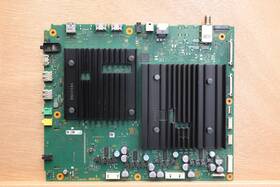
( Brand: Sony ), ( Manufacturer Part Number: A5026178A ), ( Compatible Brand: For Sony ), ( Type: Main Board )
Review SONY Main
The **Sony Alpha A5026178A** is a versatile and compact mirrorless camera designed for both amateur photographers and enthusiasts looking to elevate their imaging capabilities without compromising portability. Part of Sony s acclaimed Alpha series, this model features a **24.2-megapixel Exmor CMOS sensor** paired with a **Bionz X image processor**, delivering exceptional image quality with rich detail, low-light performance, and reduced noise even at higher ISO settings. The camera s **APS-C sized sensor** (23.5 x 15.6 mm) strikes a balance between depth of field control and file size, making it ideal for everything from candid street photography to detailed landscapes and creative portraits. Its **fast autofocus system**, powered by **179 phase-detection and 25 contrast-detection points**, ensures quick and accurate tracking of both still subjects and moving objects, while the **real-time eye AF** feature enhances portrait photography by intelligently focusing on the subject s eyes. The **tiltable 3-inch LCD screen** (921,600 dots) provides flexible viewing angles, whether you re shooting from high or low perspectives, while the **electronic viewfinder (EVF)** with a 0.39-inch OLED display offers a crisp, high-contrast preview of your shots, reducing eye strain during long sessions.
The **A5026178A** excels in versatility with its **hybrid autofocus system**, which supports **179 focus points** and **real-time tracking**, making it well-suited for action, wildlife, and sports photography. Its **5-axis SteadyShot INSIDE image stabilization** compensates for camera shake, allowing for sharper handheld shots in low-light conditions or when using slower shutter speeds particularly useful for travel or street photography where tripods aren t always practical. The camera s **UHD 4K video recording** capabilities, along with **Full HD 1080p at 60fps**, cater to videographers, while features like **S-Log2/S-Log3 gamma profiles** and **10-bit 4:2:2 output via HDMI** provide professional-grade color grading flexibility. The **microphone and headphone jacks**, along with **customizable buttons**, further enhance its usability for content creators. Battery life, while adequate for casual use, is supported by Sony s **NP-FZ100 battery**, which can be supplemented with an optional **VG-C2EM vertical grip** for extended shooting sessions.
Built with durability in mind, the **A5026178A** features a **magnesium alloy body** that offers a sturdy yet lightweight construction, making it resistant to dust and moisture (though not fully weather-sealed). Its **dual SD card slots** (one UHS-II compatible) allow for efficient backup and storage management, while the **Wi-Fi, NFC, and Bluetooth connectivity** enable seamless transfer of images to smartphones or remote control via compatible apps. The camera s **intuitive menu system** and **customizable settings** cater to both beginners and advanced users, with modes like **Creative Style presets** (e.g., Vivid, Neutral, Portrait) and **Picture Profiles** offering creative control over color tone and contrast. Whether used with Sony s **E-mount lenses** ranging from wide-angle primes to telephoto zooms or third-party options, the **A5026178A** delivers a robust, all-in-one solution for photographers who demand high performance without the bulk of a DSLR. Its blend of advanced technology, portability, and adaptability makes it a standout choice for those seeking to grow their skills in both photography and videography.
The Sony Alpha A50 (model number A5026178A) is a mid-range mirrorless camera released in 2010, designed for enthusiasts and content creators looking for a balance between performance and affordability at the time. Below is a detailed breakdown of its pros and cons, followed by a conclusion and recommendation.
---
### **Pros of the Sony Alpha A50 (A5026178A)**
1. **Compact and Lightweight Design**
The A50 is notably small and portable, making it ideal for travel, street photography, or casual shooting. Its compact size is one of its standout features compared to DSLRs of the era.
2. **16.2MP APS-C Sensor**
The camera features a 16.2-megapixel Exmor CMOS sensor, which delivers decent image quality for its time. While modern standards have advanced significantly, the sensor still produces sharp and detailed images, especially in good lighting conditions.
3. **Fast and Responsive Autofocus**
The A50 uses a hybrid autofocus system (phase-detect and contrast-detect) that is surprisingly fast for a camera of its era. It performs well for moving subjects and general use, though it may not match the precision of modern autofocus systems.
4. **Good Video Capabilities for Its Time**
The A50 can record Full HD (1080p) video at 24, 25, or 30 frames per second. While the video quality is not as refined as modern cameras, it is adequate for basic vlogging, YouTube content, or casual filming. The lack of in-body stabilization is a limitation, but the camera s small size makes it easy to stabilize manually.
5. **Wi-Fi and Remote Shooting**
The A50 includes built-in Wi-Fi, allowing you to transfer images to your smartphone or control the camera remotely via the PlayMemories Mobile app. This feature was relatively advanced for its time and remains useful for quick sharing.
6. **Decent Battery Life**
The NP-FW50 battery provides reasonable battery life for a mirrorless camera, lasting approximately 350 shots per charge. While not exceptional by modern standards, it is sufficient for casual use.
7. **Durability and Build Quality**
The A50 has a solid magnesium alloy body, which offers better durability than many competitors of the era. It is weather-sealed to some extent, protecting against dust and moisture to a reasonable degree.
8. **Dual SD Card Slots**
The camera features two SD card slots, allowing for backup or simultaneous recording. This was a practical feature for professionals and enthusiasts who wanted redundancy.
9. **Retro Design with Modern Features**
The A50 s design blends retro styling with modern functionality, making it visually appealing and comfortable to hold. The ergonomics are well-thought-out, with a good grip and intuitive button layout.
10. **Affordable Used Market Price**
Due to its age, the A50 is now widely available at a very low price, often under $200 used. This makes it an attractive option for budget-conscious buyers who want a functional camera without investing in a modern model.
---
### **Cons of the Sony Alpha A50 (A5026178A)**
1. **Outdated Technology**
The A50 is nearly 15 years old, and its technology is significantly outdated compared to modern mirrorless cameras. Features like in-body stabilization, advanced autofocus, high-resolution video, and fast processing are lacking.
2. **Limited Autofocus Performance**
While the autofocus is decent for its time, it struggles with low-light conditions and fast-moving subjects compared to modern cameras. The focus points are limited, and tracking can be inconsistent.
3. **No In-Body Image Stabilization (IBIS)**
The A50 lacks in-body stabilization, which means you rely solely on lens-based stabilization (if your lens has it) or manual stabilization. This can be a limitation for handheld shooting, especially in low light.
4. **Fixed Shooter Display**
The camera features a fixed (non-articulating) LCD screen, which is less versatile than modern flip-out or touchscreen displays. This makes it difficult to shoot from unconventional angles or review footage easily.
5. **No 4K Video or Advanced Video Features**
The A50 s maximum video resolution is Full HD (1080p), and it lacks features like slow motion, high frame rates, or advanced video controls found in modern cameras. This limits its appeal to videographers.
6. **Limited Connectivity Options**
While the A50 has Wi-Fi, it lacks modern connectivity features such as Bluetooth, USB-C, or HDMI output. This can be inconvenient for transferring data or connecting to external devices.
7. **Slow Burst Shooting**
The A50 s burst shooting is limited to around 3 frames per second, which is slow compared to modern cameras that can shoot at 10 frames per second. This may not be ideal for action or sports photography.
8. **No Microphone Input**
The absence of a microphone input means you cannot attach an external mic for better audio quality during video recording. This is a significant limitation for serious videographers.
9. **Limited Lens Ecosystem**
While the A50 uses Sony s E-mount, which is compatible with a wide range of lenses (including adapted DSLR lenses via adapters), the native lens selection is not as extensive as it was when the camera was new. Many modern lenses are not backward-compatible.
10. **Software Limitations**
The camera runs on older firmware, and Sony no longer supports it with updates. This means you won t benefit from performance improvements or new features that modern Sony cameras receive.
11. **No Touchscreen**
The A50 lacks a touchscreen interface, which is now a standard feature in most modern cameras. This can make navigation and menu access less intuitive.
12. **Limited Dynamic Range and Low-Light Performance**
While the A50 performs well in good lighting, its dynamic range and low-light performance are not as impressive as modern cameras. Noise becomes noticeable at higher ISO settings, and the sensor struggles in very low light.
---
### **Conclusion**
The Sony Alpha A50 (A5026178A) is a well-built, compact, and functional camera that was ahead of its time in some ways but is now significantly outdated. It remains a viable option for very specific use cases, particularly for those on a tight budget or looking for a secondary camera. However, for most modern photography or videography needs, its limitations in autofocus, video capabilities, and overall performance make it less suitable compared to contemporary mirrorless cameras.
If you are primarily interested in learning photography, experimenting with manual settings, or using it as a backup camera, the A50 can still serve its purpose. However, if you require high-quality video, advanced autofocus, or modern features like 4K recording, touchscreens, or in-body stabilization, you would be better off investing in a newer used or entry-level mirrorless camera.
---
### **Recommendation**
**Buy the Sony A50 if:**- You are on a very tight budget and need a functional camera for casual use, such as travel photography, street shooting, or learning the basics of photography.
- You are looking for a secondary camera to pair with a smartphone or another primary camera.
- You appreciate its compact size and retro design and do not require advanced features.
- You plan to use it primarily for stills in good lighting conditions and do not need high-end video capabilities.
**Avoid the Sony A50 if:**- You are serious about photography or videography and require modern features like 4K video, advanced autofocus, or in-body stabilization.
- You need reliable performance in low light or for fast-moving subjects.
- You want a camera with a touchscreen, flip-out display, or modern connectivity options.
- You are looking for long-term use, as the camera s outdated technology will quickly become limiting.
**Alternatives to Consider:** If you are looking for a more modern and capable camera within a similar price range, consider the following used options:- **Sony Alpha A6000 (A6026178A):** A more advanced mirrorless camera with a faster autofocus system, better video capabilities, and a flip-out screen.
- **Canon EOS M50:** A budget-friendly mirrorless camera with 4K video, a flip-out screen, and decent autofocus.
- **Fujifilm X-T100:** A compact camera with a great color profile, 4K video, and a flip-out screen.
- **Panasonic Lumix G7:** A versatile camera with 4K video, in-body stabilization, and a flip-out screen.
For most buyers today, investing in a slightly newer used mirrorless camera will provide significantly better performance and future-proofing. The A50 is best suited for very specific, budget-driven use cases.
Details:
Pulled board from damaged screen pulled.
part #: a5026178a prices
- $82.00-$139.99
specifications tvboardgo:
- brand: Sony
- mpn: A5026178a
- compatible brand: For Sony
- type: Main Board
shipping tvboardgo:
- transit: 4-8 Days
- type: Calculated
- class: Standard
- service: USPS Ground Advantage, FedEx Ground / FedEx Home Delivery
- carrier: USPS, FedEx
- cost: $20.50
seller tvboardgo:
- # reviews: 1666
- city: Sacramento, California
- rating: 100.0%
returns tvboardgo:
- policy: No Returns
payments tvboardgo:
- other
- credit card: Discover
- wallet: Google-pay
general tvboardgo:
- condition: Used
- TV, Video Home Audio > TV, Video Audio Parts > TV Boards, Parts Components
offer tvboardgo:
- availability: In Stock
- started: February 16, 2026
- options: Ship-to-home
- sold: 0
- quantity: 1
Sony A5026178A Is Similar To:
- 0140ac010106 Unknown Sony Main Video Board Motherboard Unit Coax 666628095011 (18.8% similar) Type: main video board motherboard unit model: KDL-60EX645 part number: 0140AC010106 CONTENTS01: mpn: important note the is still tested, functional and guaranteed to work except the following:the coaxial antenna port either not working or broken off. If standby light is on try other boards above in...(June 21st, 2018)
- 0160ac1b0101 Sony 1-895-402-31 Main Board (46.7% similar) Sony 0160AC1B0101 main board KDL-60R550A KDL-70R550A...(May 10th, 2017)
- Main Board Sony 1-684-590-31 1400-464 Kv-27fv300 (23.5% similar) Sony JV 27FV300 main board or a this unit was removed from a TV working perfectly...(February 15th, 2015)
- 1-789-106-11 Nd25001-b047 Nd60200-0028 Nd25001-b047 Nd60200-0028 Sony X-main (16.8% similar) Condition: used, in good working condition...(November 27th, 2017)
- 1-789-107-11 Sony Y-main Board (32.7% similar) It was pulled from a broken screen TV...(July 11th, 2017)
- 1-857-092-21 1-857-092-11 Main 1-857-092-41 Sony Board Kdl-40s4100 (16.5% similar) This board is not to be tested with different model's. Sony a board main board for kl 40S4100 we'll work hard to resolve any issues. 031, SO40FHD, , 55. 411 all parts guaranteed to be in 100 working condition. Used item in perfect working condition. Parts are sold as shown in the pictures...(January 24th, 2015)
- 1-857-092-31 48.71h01.031 48.71h01.031 Sony Main A (26.1% similar) Condition: used, in good working condition. Brand: Sony part number. 031, SO40FHD, main a board for KDL-40S4100...(February 12th, 2018)
- 1-857-322-33 Sony Main Board (38.3% similar) This listing is for one Sony main a board S032MULTIPANEL, S9100-2, compatible with the following model's: KDL32L5000 KDL32LL150...(April 23rd, 2018)
- 1-857-903-31 Sony Main Board For (35.3% similar) We really want you to fix your TV. Just send back the same board with markings...(October 14th, 2017)
- 1-874-195-12 Sony Main Board (38.3% similar) Tested working. Fast shipping. Sony 32 KDL-32M3000 main board please order part by number and not TV model...(August 1st, 2018)
- Kdl-52w5100 1-879-224-14 Main Tv Lcd Board Sony (27.3% similar) You are buying on the main board for the Sony LCD TV model kl 52W51 part number all internal parts are working except the panel itself. Does not include the whole TV, just the part listed here. The TV had a crack on upper left corner, TV was still watchable but very annoying so I part it out to sell...(February 18th, 2015)