APPLE 820-1481-A Ipod First Mini Logic Board Motherboard Board/motherboard
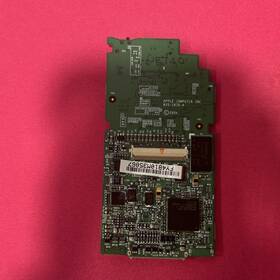
( Brand: Apple ), ( Manufacturer Part Number: 820-1481-A ), ( Compatible Brand: For Apple ), ( Type: Additional Board )
Review APPLE Ipod First Gen Mini Logic Board/motherboard
The **Apple 820-1481-A iPod first-generation Mini Logic Board/Motherboard** is a meticulously crafted and historically significant component that served as the backbone of one of Apple s most iconic and compact digital music players. Released in 2004 as part of the original iPod Mini lineup, this logic board represents a pivotal moment in portable audio technology, blending Apple s signature minimalist design with cutting-edge engineering. Measuring approximately 2.5 inches by 1.5 inches, the board is a dense assembly of high-performance components, including a **Samsung ARM920T-based processor** clocked at 133 MHz, which powers the device s smooth operation, including its intuitive click wheel interface and seamless integration with iTunes. The board features a **128MB of SDRAM** (expandable via a proprietary connector) and a **1GB NAND flash memory chip**, allowing users to store up to 1,000 songs in the original 4GB model a revolutionary capacity at the time. The inclusion of a **24-bit/96kHz audio codec** ensures pristine sound quality, while a **USB 2.0 controller** enables fast data transfer speeds, making it compatible with early versions of iTunes for seamless syncing and management of digital music libraries.
Visually, the logic board is a testament to Apple s precision manufacturing, with a **black FR-4 substrate** layered with fine-pitch ball grid array (BGA) chips, surface-mount resistors, capacitors, and inductors meticulously arranged to optimize performance and efficiency. The board includes a **dedicated audio amplifier chip**, likely a Texas Instruments or Analog Devices component, responsible for driving the iPod s high-fidelity stereo output through its 3.5mm headphone jack. Additionally, the board incorporates a **real-time clock (RTC) battery** (typically a CR2032 or similar coin-cell) to maintain time and calendar functions even when the device is powered off, a feature that became a hallmark of Apple s portable electronics. The **click wheel controller** and **mechanical sensors** are integrated into the board s design, allowing for tactile feedback and precise navigation, a hallmark of the iPod s user experience.
For collectors, restorers, and enthusiasts, this logic board is a highly sought-after piece due to its rarity and historical importance. The first-generation iPod Mini was discontinued in 2005, making original, undamaged logic boards particularly valuable, especially if they come from a fully functional unit. When repairing or restoring an iPod Mini, this board must be handled with care, as it contains delicate solder joints and sensitive components that can degrade over time. The board s compatibility with third-party firmware and custom modifications also makes it a favorite among modders looking to breathe new life into vintage Apple hardware. Whether you re a tech historian, a DIY repair specialist, or simply an admirer of Apple s early innovations, the **820-1481-A logic board** stands as a relic of a transformative era in digital music, embodying the elegance and ingenuity that defined Apple s approach to consumer electronics.
Buying a first-generation iPod mini (model 820-1481-A) with a replacement logic board or motherboard can be an interesting project for enthusiasts, but it comes with several considerations.
**Pros:**1. **Cost-Effective Upgrade:** Replacement logic boards or motherboards for older iPod models are often significantly cheaper than purchasing a new or refurbished unit. This can be appealing for those looking to restore a broken device or experiment with retro tech.
2. **Learning Experience:** Working with vintage electronics can be educational, especially for those interested in electronics, soldering, or retro computing. It provides hands-on experience with older hardware and troubleshooting techniques.
3. **Customization Potential:** With a replacement board, you might explore modifying or upgrading other components, such as adding new features or improving functionality beyond the original design.
4. **Collectible Value:** Some vintage iPods hold sentimental or collector value, and restoring one can be rewarding for enthusiasts who appreciate retro technology.
5. **Functionality Restoration:** If the original logic board was damaged due to failure, replacing it can restore the device s basic functionality, allowing you to use it as a media player or even experiment with software modifications.
**Cons:**1. **Compatibility Issues:** First-generation iPod minis have limited compatibility with modern software, firmware, or accessories. The original iPod software (iPod OS) is outdated, and newer versions of iTunes or third-party software may not work properly. You may need to rely on older or emulated software environments.
2. **Limited Performance:** The hardware is extremely basic by today s standards. The first-gen iPod mini runs on a 400 MHz ARM processor with minimal RAM, making it slow and incapable of running modern applications. Expect very limited functionality compared to contemporary devices.
3. **No Official Support:** Apple no longer provides official support, firmware updates, or drivers for this model. Any issues with the replacement board or software will require troubleshooting on your own or within niche communities.
4. **Hardware Limitations:** The device lacks modern features like Bluetooth, Wi-Fi, or USB-C connectivity. The original USB port is USB 1.0, which is slow and incompatible with many modern devices. You may need adapters or workarounds to transfer data or charge the device.
5. **Lack of Parts and Tools:** Finding replacement parts, tools, or documentation for this specific model can be challenging. Soldering, desoldering, and other repairs may require specialized equipment and expertise.
6. **Software Restrictions:** The original iPod OS is tightly controlled by Apple, and jailbreaking or modifying it is difficult and may void any residual functionality. Third-party firmware or emulation may be necessary to achieve any meaningful use.
7. **Durability Concerns:** Older electronics may suffer from degraded components, brittle solder joints, or failing passive parts over time. A replacement board may not address all potential issues, such as a damaged screen, buttons, or battery.
8. **Ethical and Environmental Concerns:** Purchasing a replacement board for a device that might otherwise be discarded contributes to electronic waste if not handled responsibly. Consider whether the project aligns with your values regarding sustainability and e-waste.
**Conclusion:**Buying a first-generation iPod mini logic board or motherboard can be a rewarding project for those with a strong interest in retro technology, electronics, or nostalgia. It offers a unique opportunity to restore or experiment with vintage hardware, but the practical limitations such as outdated software, slow performance, and compatibility issues make it a niche pursuit. This device is not suitable for everyday use or modern tasks but may appeal to hobbyists, collectors, or those exploring the history of portable electronics.
**Recommendation:**If you are considering this purchase, ensure that your primary motivation aligns with the device s limitations. If your goal is to use the iPod mini as a functional media player or for software experimentation, be prepared for significant compromises. For those interested in learning about electronics or restoring vintage devices, the project can be educational and enjoyable. However, if you seek a practical, high-performance device, investing in a modern alternative would be far more beneficial. Additionally, research thoroughly to confirm compatibility with the replacement board and gather any necessary tools or documentation before attempting repairs.
Details:
Other than that the motherboard should be in working condition.
part #: 8201481 prices
- $79.95-$169.00
specifications tvboardgo:
- brand: Apple
- mpn: 820-1481-a
- compatible brand: For Apple
- type: Additional Board
seller tvboardgo:
- # reviews: 3
- city: Rohnert Park, California
- rating: 100.0%
returns tvboardgo:
- policy: No Returns
general tvboardgo:
- condition: For parts or not working
- TV, Video Home Audio > TV, Video Audio Parts > TV Boards, Parts Components
shipping tvboardgo:
- class: Standard
- service: USPS Ground Advantage
- carrier: USPS
- transit: 5-9 Days
- cost: $5.52
- type: Calculated
payments tvboardgo:
- credit card: Discover
- other
- money order
- wallet: Apple-pay
offer tvboardgo:
- best offers: True
- quantity: 1
- started: January 31, 2026
- options: Ship-to-home
- sold: 0
- availability: In Stock
Apple 820-1481 Is Similar To:
- Apple V267601 Imac 2009 2010 27 Inch Lcd Backlight Driver Inverter Board Darfon V267-601 (35.1% similar) Led driver card off a 2009 IMAC27...(August 25th, 2024)
- Apple 614-0446 Imac 27 Inch Power Supply Board Pa-2311-02a Rev B 2009-2011 A1312 (27% similar) Apple iMac 27 power supply board 614-0446, PA-2311-02A, rev:b. Yahoos computer parts repairs. 2009 -2011 A1312,: no one is ever ignored...(October 2nd, 2024)
- Apple 6501060 Iport Backplane Board (46.3% similar) Item is a total gamble on condition. Full disclosure this piece was purchased in a storage unit and i've never tested or attempted to use...(November 5th, 2025)
- Apple 6633tza002b 23 Inch Cinema Display Inverter Board (35.9% similar) Apple 23 cinema display inverter board, 6633TZA002B, this item came from a working display with the chrome logo. The display was working fine...(November 20th, 2025)
- Sony 6300355 Trinitron M34jnq10x With Apple Computer Board 630-0355 (23.6% similar) Enjoy clear and crisp images with this top-of-the-line TV screen Apple computer board. This unit was taken out of an Apple Macintosh performance 550. Comes with everything pictured. With the renowned Sony brand and compatibility with Apple, this TV screen offers versatility top-notch performance...(April 20th, 2026)