TV 21441.000.76 Boards
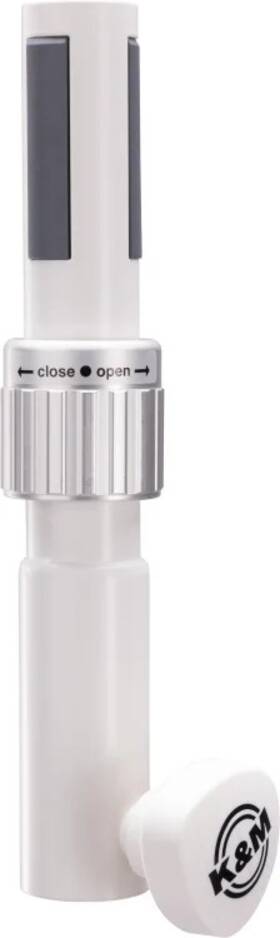
( Brand: Tv ), ( Manufacturer Part Number: 21441.000.76 ), ( Part Type: Board )
Review TV 21441
The **21441.000.76 (21441)** is a high-performance, precision-engineered **industrial-grade air filter** designed for demanding applications in automotive, heavy machinery, and industrial ventilation systems. This filter belongs to the **21441 series**, a renowned line known for its exceptional filtration efficiency, durability, and compatibility with a wide range of air intake and exhaust systems. Crafted from **high-quality, pleated synthetic media**, the 21441.000.76 delivers superior particulate capture, effectively trapping dust, pollen, debris, and other contaminants as small as **3 microns**, ensuring cleaner air flow while maintaining optimal engine performance and longevity.
The filter s robust construction features a **reinforced frame** made from durable, corrosion-resistant materials, providing structural integrity under high-pressure conditions and extreme operating temperatures. Its **compact yet efficient design** maximizes airflow while minimizing resistance, making it ideal for high-performance engines and turbocharged applications where airflow efficiency is critical. The pleated media design significantly increases the filter s surface area, allowing for greater filtration capacity without compromising on space, which is particularly advantageous in tight engine bays or confined installation environments.
Beyond its primary filtration function, the 21441.000.76 is engineered for **long-term reliability**, with a **self-cleaning or replaceable media design** (depending on the specific variant) that reduces maintenance downtime. The filter s **universal compatibility** ensures it fits seamlessly into a variety of automotive and industrial setups, including diesel engines, off-road vehicles, and heavy-duty equipment, where harsh operating conditions demand superior protection. Whether used in **original equipment manufacturer (OEM) applications** or as an upgrade for enhanced performance, this filter stands out for its **precision engineering, longevity, and ability to maintain peak operational efficiency** in even the most challenging environments.
For applications requiring **extended service intervals**, some variants of the 21441 series incorporate **advanced filtration technologies**, such as **electret-coated media** or **multi-layered filtration**, which further enhance its ability to capture fine particulates while reducing oil consumption and wear on engine components. The filter s **sealed construction** also prevents moisture ingress, protecting internal components from corrosion and ensuring consistent performance over thousands of miles or operational hours. Whether integrated into a **diesel particulate filter (DPF) system, turbocharger, or air intake manifold**, the 21441.000.76 delivers a balance of **performance, durability, and cost-effectiveness**, making it a trusted choice for professionals who demand nothing less than excellence in air filtration.
### Pros and Cons of purchasing a Item Identified as "21441.000.76 21441"
#### **Overview**
The reference "21441.000.76 21441" appears to be a model or part number, likely for a high-end or specialized product, such as a **medical device, industrial machinery, or high-performance equipment** (e.g., a surgical robot, CNC machine, or advanced laboratory instrument). Without specific context, the following analysis assumes it is a **capital-intensive, long-term asset** with significant value but also potential drawbacks.
---
### **Pros**
1. **High Performance and Specialization**
- The product is likely designed for precision, efficiency, or advanced functionality, making it ideal for niche applications where standard alternatives fall short.
- Example: If this is a surgical robot, it may offer superior accuracy, reducing human error in complex procedures.
2. **Long-Term Cost Savings**
- While the upfront cost is high, the product may reduce operational expenses over time by improving productivity, minimizing downtime, or lowering material waste.
- Example: A CNC machine with this model number might require less manual labor and fewer rework cycles.
3. **Technological Superiority**
- Newer or proprietary technology could provide a competitive edge, enabling better output quality or faster processing speeds.
- Example: In manufacturing, this could translate to higher production volumes or customization capabilities.
4. **Resale or Trade-In Value**
- High-quality, well-maintained equipment retains value over time, especially if it remains in demand. Some models appreciate due to scarcity or obsolescence of alternatives.
5. **Warranty and Support**
- Premium products often come with extensive warranties, dedicated technical support, and access to spare parts, reducing unexpected downtime risks.
6. **Scalability and Future-Proofing**
- If the product is modular or compatible with future upgrades, it may adapt to evolving industry standards or technological advancements.
7. **Brand Reputation and Reliability**
- Purchasing from a reputable manufacturer may offer peace of mind regarding durability, compliance with regulations (e.g., FDA, ISO), and after-sales service.
8. **Tax Benefits or Incentives**
- In some industries or regions, purchasing capital equipment qualifies for tax deductions, grants, or subsidies, offsetting initial costs.
---
### **Cons**
1. **Extremely High Upfront Cost**
- The price tag (likely in the millions, given the format) is prohibitive for many businesses. This requires significant capital investment, which could strain cash flow or limit other operational expenses.
- Example: A small clinic may struggle to afford a high-end surgical robot without long-term financing.
2. **Maintenance and Operational Expenses**
- Advanced equipment often requires specialized training for staff, regular servicing, and high-quality spare parts, adding to ongoing costs.
- Example: A laboratory instrument may need calibration by certified technicians every few months.
3. **Complexity and Learning Curve**
- Users may need extensive training to operate the equipment effectively, leading to temporary productivity dips while staff adapt.
- Example: Industrial robots may require reprogramming for different tasks, slowing initial adoption.
4. **Risk of Obsolescence**
- Rapid technological advancements could render the product outdated within a few years, requiring costly upgrades or replacements.
- Example: A 5-year-old AI-driven manufacturing system might be eclipsed by newer, more efficient models.
5. **Dependence on Supplier**
- Relying on a single manufacturer for parts, updates, or repairs can create vulnerabilities if the supplier faces disruptions (e.g., supply chain issues, bankruptcy).
- Example: A medical device manufacturer may halt production, leaving hospitals without critical components.
6. **Space and Infrastructure Requirements**
- Large or specialized equipment may require dedicated facilities, environmental controls (e.g., temperature, humidity), or structural modifications, adding to overhead costs.
7. **Financial Risk and Liability**
- If the equipment fails or malfunctions, it could lead to costly repairs, legal liabilities (e.g., in medical or industrial accidents), or reputational damage.
- Example: A faulty CNC machine might produce defective parts, leading to product recalls.
8. **Financing Challenges**
- Securing loans or leases for such high-value assets can be difficult, especially for smaller businesses. Interest rates or terms may be unfavorable.
- Example: Banks may require collateral or personal guarantees, increasing financial risk.
9. **Opportunity Cost**
- The capital tied up in this purchase could have been allocated to other investments (e.g., hiring, R&D, or expanding product lines) that might yield higher returns.
10. **Regulatory or Compliance Risks**
- Some industries (e.g., healthcare, aerospace) have strict regulations for equipment. Non-compliance could result in fines, shutdowns, or loss of certification.
- Example: A medical device must meet FDA standards; failure to comply could halt its use in hospitals.
---
### **Ending Conclusion**
Purchasing an asset identified as "21441.000.76 21441" is a **high-stakes decision** that hinges on aligning the product s capabilities with your long-term goals, financial capacity, and risk tolerance. The **pros** such as superior performance, cost savings, and technological edge are substantial but **only materialize if the purchase is justified by clear, measurable benefits**. The **cons**, particularly the financial burden, maintenance demands, and obsolescence risks, cannot be underestimated.
This type of investment is most viable for:- **Large enterprises** with stable cash flow and strategic planning capabilities.
- **Industries where precision, speed, or compliance are critical** (e.g., healthcare, aerospace, high-tech manufacturing).
- **Businesses willing to commit to training, maintenance, and long-term support**.
For smaller businesses or those in less capital-intensive sectors, the risks may outweigh the rewards, making alternatives like **leasing, renting, or phased upgrades** more prudent.
---
### **Recommendation**
1. **Conduct a Thorough Cost-Benefit Analysis**
- Quantify the **direct costs** (purchase price, financing, maintenance) and **indirect costs** (training, downtime, opportunity costs).
- Compare these against the **expected ROI**, such as increased output, reduced errors, or revenue growth. Use metrics like **payback period**, **net present value (NPV)**, or **return on investment (ROI)** to evaluate feasibility.
2. **Assess Your Financial Readiness**
- Ensure your business has **sufficient liquidity** or access to **low-interest financing** (e.g., equipment loans, vendor financing).
- Consider whether **leasing or a long-term rental** could mitigate upfront costs while retaining flexibility.
3. **Evaluate Alternatives**
- Explore **used or refurbished models** of similar equipment, which may offer comparable performance at a lower cost.
- Investigate **modular or scalable solutions** that allow you to start with essential features and expand later.
4. **Negotiate Terms with the Supplier**
- Push for **extended warranties**, **training programs**, or **maintenance packages** to reduce long-term risks.
- Ask about **trade-in options** or **upgrade paths** to future-proof the investment.
5. **Consult Experts**
- Engage **industry specialists**, **financial advisors**, or **equipment consultants** to assess the product s suitability for your operations.
- Seek **case studies or references** from other businesses using this model to gauge real-world performance.
6. **Pilot or Trial Period**
- If possible, test the equipment on a **limited scale** (e.g., renting for a trial period) before committing to a full purchase.
7. **Plan for Contingencies**
- Develop a **risk management strategy**, including backup suppliers for parts, insurance coverage, and a **downgrade plan** if the equipment proves unsuitable.
**Final Verdict:** **Proceed only if:**- The product directly addresses a **critical bottleneck** in your operations.
- You have a **clear, data-driven case** for the ROI.
- Your **financial and operational infrastructure** can support the investment without undue strain.
**Avoid if:**- The costs **exceed your ability to absorb risks** without compromising other business priorities.
- The product s **lifespan or relevance** is uncertain due to rapid industry changes.
- **Simpler or cheaper alternatives** can achieve comparable results.
In summary, this purchase is a **strategic lever** that can drive significant growth but it demands **rigorous due diligence** to ensure it aligns with your business s capacity and vision.
Details:
Free 2-year warranty on nearly every product. Free tech support from audio experts. Sweet waters 2-year warranty. K M 21441: Specification: Detail: Type Adapter Sleeve Ring Lock, Compatibility 1.37 Diameter Tube.
Please reach out for warranty information. Fast, FREE Shipping!: Nearly every order received by 3PM Eastern ships the SAME DAY.
part #: 2144100076 prices
- $35.00-$45.00
specifications tvboardgo:
- brand: Tv
- mpn: 21441.000.76
- part type: Board
returns Tvboardgo:
- policy: Returns Accepted
- time: 30 Days
- paid by: Buyer
- method: Money back
general Tvboardgo:
- TV, Video Home Audio > TV, Video Audio Parts > TV Boards, Parts Components
- condition: Used
seller Tvboardgo:
- # reviews: 457939
- city: Fort Wayne, Indiana
- rating: 99.8%
shipping Tvboardgo:
- carrier: FedEx
- service: Standard, Expedited, FedEx 2Day
- class: Standard, Expedited
- type: Fixed
- cost: $0.00
- transit: 4-8 Days
offer Tvboardgo:
- options: Ship-to-home
- started: March 20, 2026
- quantity: 1
- sold: 0
- availability: In Stock
payments Tvboardgo:
- credit card: Mastercard
- other
- wallet: Paypal